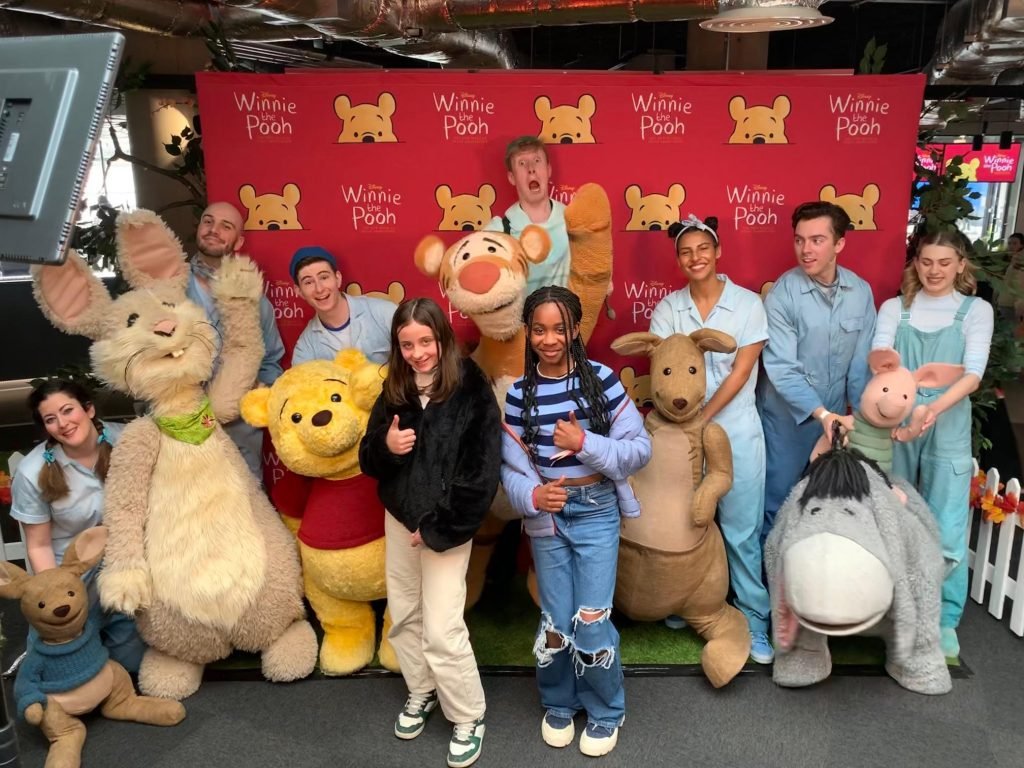
Piglet. The very name evokes a gentle squeak, a nervous tremor, and an unwavering heart. He’s A.A. Milne’s beloved "very small animal," and his journey from the quiet pages of the Hundred Acre Wood to the vibrant, often boisterous world of stage productions is a fascinating testament to his enduring appeal. Understanding Piglet in Winnie the Pooh Musical Adaptations & Live Performances isn't just about noting his presence; it's about appreciating how creators bring his unique blend of timidity and loyalty to life, ensuring his squeak resonates in even the largest theaters.
He's more than just Pooh’s best friend; Piglet is the emotional core, the one whose anxieties often mirror our own, making his moments of bravery all the more poignant. On stage, where larger-than-life characters often dominate, ensuring Piglet’s delicate essence shines through requires thoughtful adaptation, from his physical portrayal to the very intonation of his voice.
At a Glance: Piglet's Stage Presence
- Core Role: Piglet typically serves as Winnie the Pooh's loyal, anxious, but ultimately brave best friend, often acting as a moral compass or the catalyst for emotional moments.
- Physicality Varies: His portrayal ranges from full-body costumed characters (especially in older productions or theme parks) to sophisticated puppets, a trend seen prominently in recent adaptations like Winnie the Pooh: The New Musical Adaptation.
- Vocal Challenge: Actors must capture his high-pitched, sometimes stammering voice without making it irritating, conveying his shyness and warmth.
- Emotional Arc: Despite his fears, Piglet frequently demonstrates courage, making his character arc a key part of many productions.
- Singing: While not always the lead vocalist, Piglet often has charming duets or ensemble numbers, contributing to the overall musicality and emotional depth.
- Audience Connection: His relatable anxieties and eventual triumphs make him a highly empathetic character for audiences of all ages.
The Enduring Appeal of A Very Small Animal
Before we dive into the spotlight, let’s acknowledge why Piglet holds such a special place in our hearts. He isn't the bravest, the strongest, or the wisest. He’s small, easily startled, and prone to worry. Yet, it’s precisely these qualities that make him so profoundly relatable. His deep devotion to Pooh, his quiet acts of kindness, and his surprising bursts of courage when his friends are in need reveal a giant heart in a tiny frame.
This vulnerability is gold for theatrical adaptations. It provides instant emotional connection and creates opportunities for dramatic tension and resolution. When Piglet frets about a Heffalump or a Woozle, you understand his fear. When he overcomes it, however briefly, you cheer for him. This universal appeal translates seamlessly to the stage, making him a character producers and directors are eager to interpret.
From Page to Stage: Adapting Piglet for Live Performance
Translating a beloved literary character to a dynamic live performance is never a simple task, especially for someone as nuanced as Piglet. The challenge lies in capturing his delicate balance of shyness and strength without losing the subtlety that makes him so endearing.
The Physicality Question: Puppet or Costume?
One of the most significant decisions in any stage adaptation is how Piglet will be physically represented.
- Costumed Characters: For many years, especially in older Disney stage shows, theme park parades, and character meet-and-greets, Piglet has been portrayed by a performer in a full-body costume. This approach offers direct interaction, but it can sometimes make it harder to convey his "smallness" or the delicate nuances of his expressions. The performer must rely heavily on exaggerated body language and vocal performance to convey his timidity.
- Puppetry: More recently, particularly with the success of productions like Winnie the Pooh: The New Musical Adaptation, sophisticated puppetry has become the preferred method for Piglet. This allows for:
- Scale: Puppets can accurately reflect Piglet's small size relative to other characters, enhancing his vulnerability.
- Delicate Movement: A skilled puppeteer can imbue Piglet with subtle jitters, head tilts, and hesitant steps that perfectly communicate his shyness.
- Expressiveness: Modern puppets often incorporate intricate facial mechanisms, allowing for a broader range of emotions that costume masks simply can't achieve.
- The "Double Role": Often, the puppeteer is visible but secondary, allowing the audience to focus on the puppet while still appreciating the artistry of the human bringing it to life. This creates a fascinating layer of theatrical magic.
Voice and Mannerisms: The Sound of Squeakiness
Piglet’s voice is iconic – high-pitched, a little breathless, sometimes stammering. On stage, this requires an actor with a keen understanding of vocal control and character nuance.
- Maintaining Consistency: The voice must remain true to Piglet's established sound while being strong enough to carry across a theater. It’s a delicate balance between authentic timidity and stage projection.
- Emotional Range: While often nervous, Piglet also expresses joy, loyalty, and occasional bravery. The actor must convey these emotions through subtle shifts in tone and inflection, avoiding a monotone "squeak."
- Stammering and Pauses: His characteristic stammer is part of his charm, but it needs to be used judiciously. Too much can hinder the narrative flow; too little can make him seem less like Piglet. Strategic pauses can heighten tension or emphasize a moment of profound thought.
Piglet's Core Role in Pooh Musicals
Piglet is rarely the central protagonist driving the main plot, yet his contributions are indispensable. He operates as the steady heartbeat of the Hundred Acre Wood's emotional landscape.
The Loyal Companion and Moral Compass
In nearly every adaptation, Piglet's primary role is to be Pooh's steadfast friend. He follows Pooh on adventures, often reluctantly, and provides a gentle counterpoint to Pooh's sometimes naive enthusiasm. His anxieties, paradoxically, ground Pooh’s flights of fancy, reminding the audience of practical concerns, even if he himself is too timid to act on them.
He also frequently acts as a quiet moral compass. His innocent observations or worries can sometimes highlight the ethical implications of the other characters' actions, prompting them to think twice or showing the audience a different perspective.
Catalyst for Conflict and Resolution
While Piglet might seem too timid to instigate anything, his fears and occasional misinterpretations can often set parts of the plot in motion. Imagine a scene where Piglet overhears a misunderstanding and, through his panicked retelling, unintentionally escalates a situation. Or consider his fear of Heffalumps, which drives entire sequences of playful suspense.
His character arc, where he overcomes his fears, even briefly, provides satisfying emotional resolution. When Piglet finds courage, it’s not just a personal triumph; it often helps propel the entire group forward.
Emotional Anchor
Ultimately, Piglet serves as an emotional anchor. He's the character who expresses worry, vulnerability, and genuine affection most openly. This makes him incredibly relatable, especially for younger audience members who might be experiencing their own anxieties. His presence ensures there's a constant thread of empathy woven throughout the musical, deepening the audience's connection to the Hundred Acre Wood and its inhabitants.
Key Musical Adaptations Featuring Piglet
Over the decades, Piglet has graced countless stages. Let's look at a few prominent examples.
Disney's Winnie the Pooh: The New Musical Adaptation (Jonathan Rockefeller)
This recent, critically acclaimed production, which debuted Off-Broadway and has since toured extensively, is perhaps the most sophisticated and visually stunning interpretation of Piglet to date.
- Puppetry at its Finest: Here, Piglet is a beautifully crafted, highly expressive puppet. A skilled puppeteer, often visible behind the puppet, manipulates him with such finesse that you quickly forget the human presence and become entirely absorbed in Piglet's world. This method allows for delicate movements – a trembling ear, a slight hunch of his shoulders – that perfectly communicate his personality.
- Specific Songs & Moments: While ensemble numbers are frequent, Piglet often has key lines or even short, poignant solos that highlight his character. For example, he might join Pooh in a song about friendship or express his anxieties in a way that provides comedic relief or touching introspection. While he might not have as many big solo numbers as Pooh or Tigger, his contributions are always memorable. To truly appreciate his vocal contributions, you might want to Learn more about piglet singing.
- Audience Impact: The puppetry creates a sense of wonder, making Piglet feel incredibly real and vulnerable. Audiences, both children and adults, are drawn to his plight and celebrate his small victories, underscoring the power of this specific theatrical approach.
Older Disney Stage Shows and Park Productions
Before the advent of hyper-realistic puppetry, Piglet was a staple in various Disney-produced live shows.
- Costumed Character Focus: These productions predominantly used performers in full character costumes. Think of shows at Disney theme parks (like Fantasyland Theatre at Disneyland or Playhouse Disney Live on Stage!) where Piglet would appear alongside the other Pooh characters in song-and-dance numbers.
- Role in General Storytelling: In these contexts, Piglet’s role was often part of larger ensemble pieces. He’d participate in group songs, offer a quick line of anxious dialogue, or dance along with the others. The focus was less on his individual emotional arc and more on celebrating the collective joy and friendship of the Hundred Acre Wood gang. While charming, the limitations of a large costume often meant less subtle characterization.
Community and School Productions
The Hundred Acre Wood is a popular setting for amateur theater groups, given its beloved characters and timeless themes.
- Creative Interpretations: Here, directors and performers often get creative with Piglet's portrayal. Some might opt for simpler puppetry, others for a child actor in a minimal costume, or even a performer in a cleverly designed, less bulky suit.
- Casting Challenges/Opportunities: Casting Piglet in these productions offers a wonderful opportunity for a young actor to explore a nuanced character. The emphasis is often on vocal performance and conveying shyness through movement, making it a great learning experience. The director's challenge is to ensure Piglet remains distinct and impactful, even with potentially limited resources.
The Theatricality of Fear and Friendship: Piglet's Arc
On stage, where emotions are often amplified, Piglet's journey becomes even more vivid.
How His Shyness is Portrayed Dramatically
A character's fear, when depicted on stage, can be a powerful tool for both comedy and pathos. Piglet's shyness isn't just an internal trait; it manifests physically. In a musical, you might see:
- Physical Manifestations: Trembling, hiding behind Pooh, nervously wringing his hands (or trotters), quick, scuttling movements. A good actor or puppeteer uses these gestures to immediately communicate his anxiety.
- Vocal Quivers: His voice might crack, or he might speak in short, breathless sentences, especially when overwhelmed.
- Reactive Storytelling: Piglet often reacts to events rather than initiating them. His dramatic responses to a sudden noise or a scary story can often create comedic moments that lighten the mood, or highlight the true stakes of a situation.
Moments of Bravery and Growth
Crucially, Piglet isn't always afraid. His moments of courage are what truly define him and give his stage presence significant impact. These might include:
- Small Heroic Acts: Perhaps he warns a friend of danger, or even when trembling, accompanies Pooh into a spooky place. These aren't grand, epic deeds, but they are monumental for Piglet.
- Standing Up for Others: His loyalty to Pooh can sometimes override his fear, causing him to speak up or act decisively when his best friend is in trouble.
- The "Unexpected" Twist: Musicals often use these moments for a dramatic reveal, showing the audience that even the smallest among us can possess immense inner strength. These scenes often lead to heartwarming songs or pivotal plot turns.
His Relationship with Pooh and the Others
Piglet’s stage dynamic is intrinsically tied to his interactions.
- With Pooh: This is the bedrock. On stage, their friendship is often portrayed through physical closeness, shared glances, and synchronized movements. Duets or shared dialogue often emphasize their inseparable bond.
- With Tigger: Tigger’s boisterousness is a stark contrast to Piglet’s timidity, providing ample comedic opportunity. Piglet's reactions to Tigger's bouncing or elaborate schemes are often priceless.
- With Eeyore: Piglet's gentle nature often makes him one of the few characters who can genuinely comfort Eeyore, offering quiet empathy rather than attempts at forced cheerfulness.
Bringing Piglet to Life: Casting and Performance Nuances
The success of Piglet on stage hinges entirely on the performers tasked with inhabiting his spirit.
The Actor’s Challenge: Physicality and Voice
For an actor playing Piglet (whether in a costume or as a puppeteer's voice), the role requires a unique skill set:
- Physical Comedy & Delicacy: It’s about more than just being small. It’s about acting small, embodying nervousness, and conveying a sense of vulnerability through every posture and gesture. The physical comedy of his jumpy reactions needs to be precise.
- Vocal Stamina & Consistency: Maintaining Piglet’s signature high-pitched, slightly breathless voice for an entire performance requires vocal control and stamina. The voice must not waver or become harsh, even in moments of excitement or fear.
- Emotional Honesty: The performance must always feel genuine. If Piglet's fear or joy seems forced, the audience won't connect.
Puppeteers vs. Full-Costume Performers
Each method demands different strengths from the performer:
- Puppeteers: These artists are masters of illusion. They must not only manipulate the puppet with seamless motion but also inject their own emotional energy into the performance without drawing attention away from the puppet itself. Often, they also provide the voice, requiring impeccable timing and synchronization.
- Full-Costume Performers: Inside a large costume, the challenge is conveying emotion without facial expressions. Performers rely heavily on exaggerated body language, head tilts, and vocal nuance. They also need spatial awareness, particularly when dancing or interacting with other costumed characters.
Maintaining the Character’s Essence
Regardless of the technique, the ultimate goal is to preserve Piglet's core personality. He must always be:
- Sweet-Natured: Even in fear, there's an underlying kindness.
- Loyal: His devotion to Pooh is non-negotiable.
- Vulnerable but Capable of Courage: This balance is crucial for his relatability and the power of his small triumphs.
Beyond the Script: Improvisation and Audience Interaction
While musical adaptations typically follow a script, live performances often include elements of audience engagement, particularly for beloved characters like Piglet.
How Piglet Might Engage with Live Audiences
In shows designed for younger audiences, Piglet might:
- Respond to Cheers/Gasps: A well-timed squeak or nervous glance towards the audience after a scare can draw them further into the story.
- Simple Questions/Reactions: In more interactive segments, a performer (or the voiced puppet) might ask the audience for help finding something, or express a simple fear, inviting a collective "Aww!"
- "Break the Fourth Wall" Moments: Sometimes, a worried glance directly at the audience can create a powerful, intimate connection, making viewers feel they are directly witnessing Piglet's internal struggle.
Park Meet-and-Greets vs. Structured Musicals
It’s important to distinguish between theatrical musical adaptations and character appearances in theme parks.
- Musicals: These are structured narratives with defined roles, songs, and dialogue. Piglet's interactions are part of the larger story.
- Theme Parks: Here, Piglet is an ambassador. Performers in full costumes focus on non-verbal communication, gestures, and posing for photos. While they embody the character, the interaction is usually brief and less narrative-driven, aiming for broad appeal and memorable photo opportunities.
Common Questions About Piglet's Stage Presence
Let's tackle some frequently asked questions about Piglet's journey to the stage.
Is Piglet usually a puppet or a costume in musicals?
Historically, Piglet was often portrayed by a performer in a full-body costume, especially in older productions and theme park shows. However, in contemporary, high-quality stage adaptations, particularly those that aim for a more faithful physical representation of Milne's illustrations, puppetry has become increasingly common and preferred. This allows for a more accurate portrayal of his small size and delicate movements.
Does Piglet sing a lot of solos in Winnie the Pooh musicals?
While Piglet is a part of many ensemble numbers and often has key lines within songs, he typically does not have as many prominent solos as Winnie the Pooh or Tigger. His musical contributions often come in the form of duets with Pooh, or as part of group songs where his voice adds a distinct, high-pitched texture. His songs usually reflect his anxieties, his loyalty, or his moments of quiet reflection.
How do they make him sound so small and squeaky?
Actors and voice directors employ several techniques:
- Vocal Placement: Using a higher vocal register and often speaking from the head voice.
- Breathiness: Incorporating slight breathiness to convey timidity.
- Stammering and Pauses: Strategic hesitations in speech to emphasize nervousness.
- Sound Engineering: In larger productions, microphones and sound mixing can subtly enhance the vocal quality to maintain consistency and clarity across the theater.
Is he a central character or supporting?
Piglet is almost always a supporting character in Winnie the Pooh musicals. His role is crucial, providing emotional depth, friendship, and often comic relief, but the central narratives typically revolve around Pooh, or sometimes Christopher Robin, or the larger group’s adventures. Piglet's purpose is to complement and enhance the journey of the main protagonist, particularly Pooh.
Pitfalls to Avoid When Portraying Piglet
Even with the best intentions, it's easy to misstep when bringing such a cherished character to life.
Exaggerating Shyness to Caricature
While Piglet is undeniably timid, making him too fearful or consistently screaming and hiding can quickly turn him into a one-note caricature. His shyness needs to be nuanced, allowing for moments of quiet bravery and genuine emotion. The goal is empathy, not annoyance.
Losing His Underlying Sweetness
Beneath all his worries, Piglet is profoundly kind and loving. A portrayal that focuses solely on his fear, without showcasing his immense heart and gentleness, misses the essence of the character. His sweetness is what makes his friendship with Pooh so powerful.
Voice Consistency
A common pitfall is inconsistency in Piglet’s voice. It’s challenging to maintain a high-pitched, slightly breathless voice for an entire show. If the actor’s voice wavers, becomes strained, or shifts in quality, it can break the audience's immersion and detract from the character's authenticity. Professional training and vocal care are paramount.
The Lasting Squeak: Piglet's Enduring Impact on Stage
Piglet, the nervous little piglet with the very big heart, continues to charm audiences in Winnie the Pooh musical adaptations and live performances because his story is universal. He reminds us that true strength isn't always about physical prowess, but about loyalty, kindness, and the courage to face your fears, even if your knees are knocking together.
Whether he's a meticulously crafted puppet or a thoughtfully costumed performer, Piglet’s presence on stage elevates the entire Hundred Acre Wood experience. He grounds the whimsical adventures with relatable anxieties and profound friendships, leaving audiences with a warm, fuzzy feeling and a quiet appreciation for the "very small animals" who make life so much richer.
So, the next time you have the chance to see Winnie the Pooh come to life on stage, pay special attention to Piglet. Watch how his fears are portrayed, how his friendships shine through, and how his small, brave squeaks add an indispensable layer of charm and heart to the entire production. His story, told through song and movement, is a powerful reminder that even the smallest among us can leave the biggest imprint.